

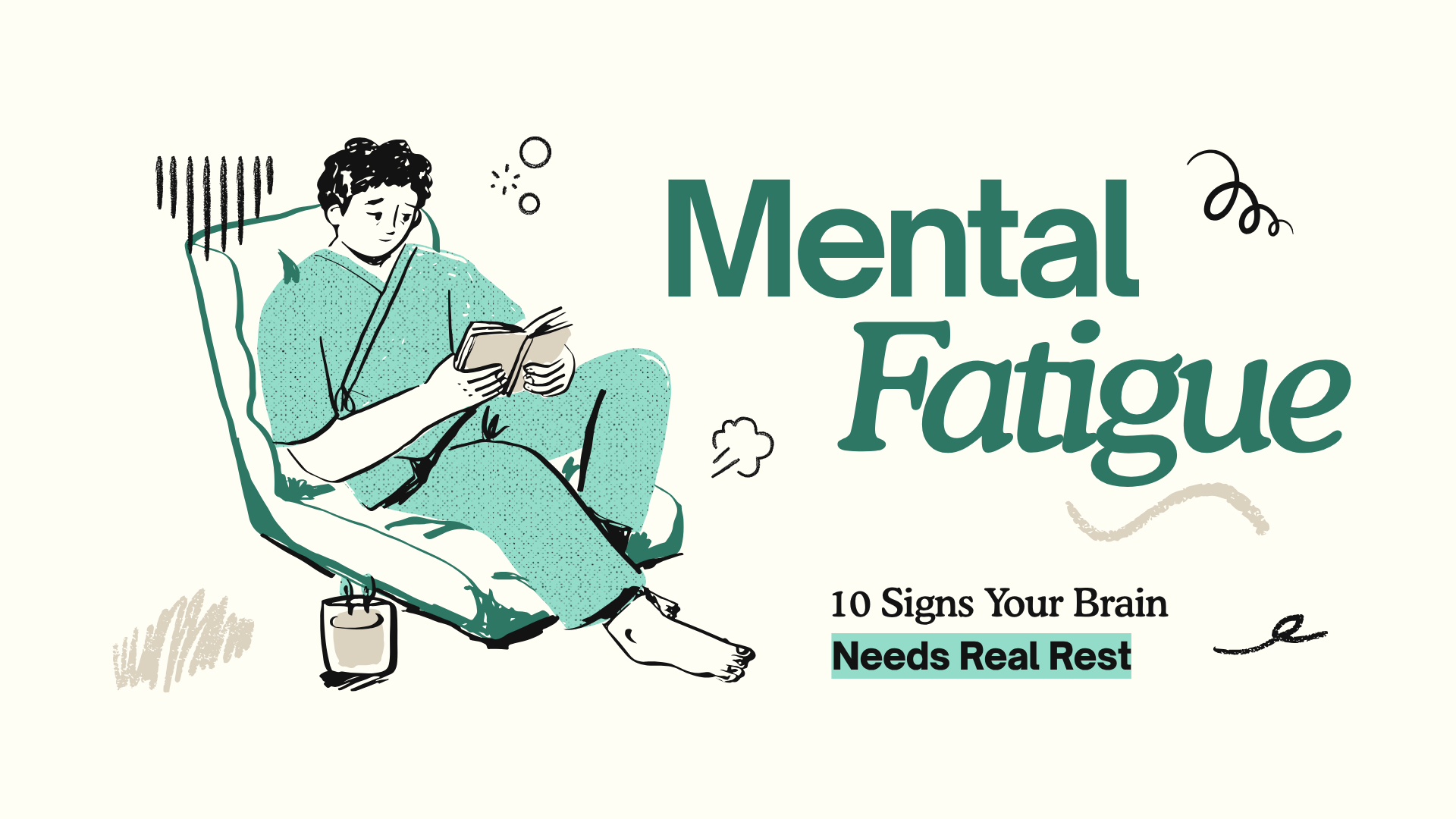
Mental Cloudiness Explained: 9 Unexpected Reasons Your Thinking Feels Slower Than Usual
There are days when thinking clearly feels effortless. Ideas flow, tasks get done quickly, and concentration feels natural.
Then there are other days when the opposite happens.
You sit down to work but your thoughts feel slow. Words escape your memory. Even simple decisions take longer than expected.
Many people call this experience mental fog or cloudiness.
It can make everyday tasks feel strangely difficult. Reading a document may require extra effort. Remembering small details becomes harder. Productivity drops even though you are trying your best.
What many people don’t realize is that this mental slowdown usually has hidden causes connected to everyday habits.
The brain is extremely sensitive to changes in sleep, stress, nutrition, and daily routines. When several of these factors shift at the same time, mental clarity can quickly disappear.
The encouraging news is that once the underlying causes are understood, most people can restore their focus naturally.
Below are several overlooked reasons why thinking sometimes feels slower than usual.
1. Sleep May Not Be Restoring Your Brain Properly
Sleeping long hours does not always guarantee mental freshness.
During sleep, the brain performs essential maintenance. It reorganizes memories, clears waste products, balances hormones, and restores energy for the next day.
When sleep becomes shallow or interrupted, these processes remain incomplete.
The result can be waking up with a strange feeling of heaviness in the mind. Even though the body rested, the brain did not finish its nightly reset.
One effective way to improve sleep quality is by developing a consistent start to the day. Structured mornings help regulate the body’s natural rhythm, something explained in Morning Routine That Changes Your Life.
When mornings become predictable, sleep patterns usually improve as well.
2. Long-Term Stress Can Slow Down Thinking
Stress affects the brain more deeply than most people realize.
Short bursts of stress can actually sharpen attention, but ongoing pressure has the opposite effect. When stress remains constant, the body releases cortisol repeatedly throughout the day.
Over time, elevated cortisol interferes with several cognitive processes:
• memory formation
• decision-making
• attention control
• emotional regulation
Instead of focusing easily, the brain begins to feel overloaded.
This is why periods of prolonged stress often come with symptoms such as forgetfulness, mental fatigue, or difficulty concentrating.
Giving the brain regular breaks during demanding days helps reduce this pressure.
3. The Brain May Be Slightly Dehydrated
Water plays a major role in cognitive function.
Even small decreases in hydration can influence how well the brain works. When the body lacks enough fluids, blood flow may slow slightly, reducing the delivery of oxygen and nutrients to brain cells.
People experiencing mild dehydration often notice:
• headaches
• reduced focus
• fatigue
• irritability
Many individuals start their day with caffeine before drinking water, which can contribute to this problem.
A simple habit such as drinking water soon after waking up helps restore balance and supports mental alertness.
4. Nutritional Balance Influences Brain Energy
The brain consumes a significant amount of the body’s energy supply.
To maintain focus and memory, it depends on a steady flow of nutrients that support communication between neurons.
When key nutrients are limited, thinking may feel slower.
Some nutrients especially important for brain performance include:
• B-complex vitamins
• omega-3 fatty acids
• iron
• magnesium
• vitamin D
When diets rely heavily on processed foods or irregular meals, the brain may not receive consistent energy throughout the day.
Balanced meals containing protein, fiber, and healthy fats help stabilize mental performance.
5. Continuous Screen Exposure Exhausts Attention
Digital devices demand constant attention.
Messages, notifications, and endless streams of content push the brain to switch tasks repeatedly. Each switch consumes mental energy.
While a single interruption may seem small, hundreds of interruptions during the day gradually wear down focus.
This leads to what psychologists sometimes call attention fatigue.
When the brain receives too much stimulation without rest, concentration becomes harder and thinking slows down.
Scheduling periods without digital interruptions can allow the brain to recover its natural focus.
6. Certain Morning Habits Disrupt Mental Alertness
The first hour of the day plays a powerful role in shaping mental energy.
Many people unknowingly begin the day in ways that reduce alertness.
Some habits that may contribute to slower thinking include:
• checking the phone immediately after waking
• skipping breakfast
• avoiding natural daylight
• rushing directly into stressful tasks
These behaviors can confuse the body’s internal timing system.
If mornings consistently feel chaotic or exhausting, you may recognize some of the patterns described in Morning Mistakes Most People Make.
Making small adjustments to morning routines often improves clarity throughout the entire day.
7. Limited Physical Movement Reduces Brain Stimulation
Movement stimulates the brain.
When the body becomes active, circulation increases and oxygen reaches brain cells more efficiently. This supports memory, creativity, and concentration.
In contrast, long periods of inactivity can reduce mental alertness.
Modern work environments often involve sitting for many hours. Without movement breaks, the brain may receive less stimulation than it needs.
Fortunately, the solution does not require intense workouts. Short walks, stretching, or standing periodically can refresh the mind.
8. Excess Information Can Overwhelm the Brain
The modern world delivers more information than the brain evolved to process.
News updates, social media posts, emails, videos, and online articles compete for attention constantly.
When the brain absorbs too much information without time to organize it, mental overload occurs.
At that point, thinking may feel slower because the brain is attempting to manage too many inputs simultaneously.
Taking intentional breaks from information allows the brain to process what it has already absorbed.
Quiet moments during the day can restore clarity surprisingly quickly.
9. Hidden Exhaustion May Be Developing
Sometimes mental cloudiness signals something deeper than temporary fatigue.
When work demands, responsibilities, and stress accumulate for long periods, the body can gradually move toward burnout.
This state develops slowly and may begin with subtle symptoms such as:
• reduced motivation
• mental tiredness
• difficulty focusing
• emotional fatigue
Recognizing these signals early can prevent more serious exhaustion later.
If these signs feel familiar, you may want to explore the patterns discussed in Hidden Energy Crisis: Signs Your Body Needs Real Rest.
Understanding these signals helps people restore balance before burnout becomes severe.
Practical Ways to Restore Mental Clarity
Improving mental clarity usually requires small but consistent lifestyle adjustments.
Here are several helpful habits.
Improve Sleep Consistency
Going to bed and waking up at similar times helps stabilize the body’s internal rhythm.
Maintain Hydration
Drinking water regularly supports healthy brain circulation.
Move Frequently
Short physical activity breaks can refresh mental energy.
Limit Digital Interruptions
Reducing notifications allows deeper concentration.
Create Predictable Daily Routines
Simple daily structures support stable energy levels.
FAQ
What does mental cloudiness feel like?
Mental cloudiness usually involves slower thinking, difficulty concentrating, forgetfulness, and reduced motivation.
Can stress really affect focus?
Yes. Ongoing stress influences hormone levels that regulate memory and attention, which can make concentration more difficult.
Does sleep quality matter more than sleep duration?
Both are important. Even long sleep may not restore mental clarity if sleep cycles are frequently interrupted.
Can daily routines improve thinking ability?
Yes. Structured habits help regulate sleep, energy, and stress levels. For example, Morning Routine That Changes Your Life explains how consistent routines can support mental clarity.



Leave a Reply