

Why You Feel Tired All the Time (Even When You’re Not Doing Much)

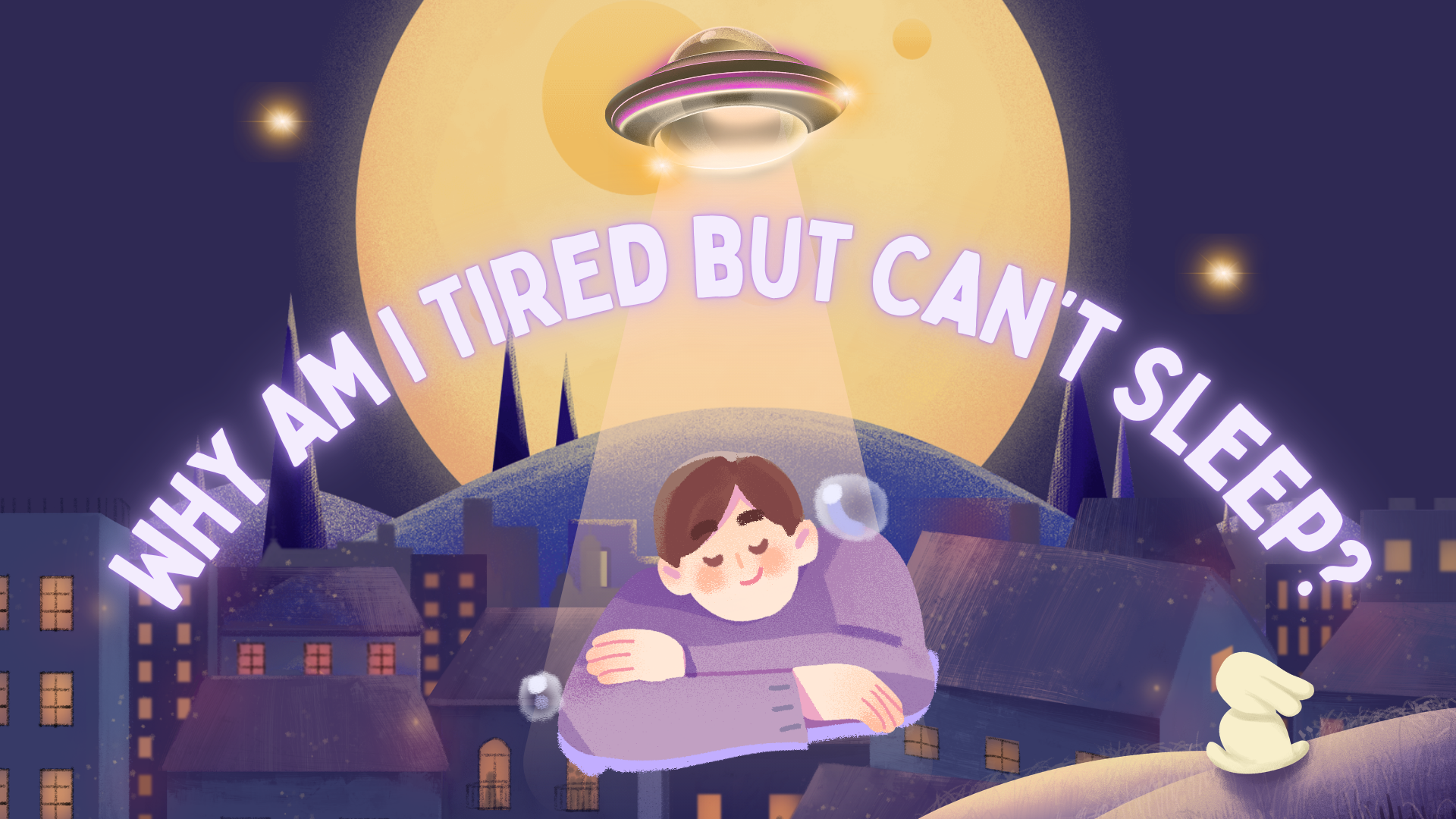
There’s a specific kind of frustration that comes with feeling tired all the time, especially when your day doesn’t even seem that demanding. You wake up expecting to feel refreshed, but instead there’s this lingering heaviness that follows you from morning to evening. It’s not the kind of exhaustion that forces you to stop everything—it’s more subtle than that. You can still function, still complete tasks, still go about your routine, but everything feels slightly harder than it should. This is exactly where most people start searching things like “why am I always tired” or “why do I feel drained even after rest,” because the usual explanations don’t seem to fully apply.
What makes this even more confusing is that you might actually be doing the “right” things. You may be getting enough sleep, taking breaks, trying to relax when you can, and still, your energy levels don’t return to what they used to be. That’s because this kind of low energy isn’t just about physical rest—it’s deeply connected to how your brain is using and recovering its energy throughout the day. And until you understand that difference, the cycle tends to repeat itself quietly in the background.
The Hidden Reason You Feel Drained Even After Rest
When people think about rest, they usually imagine stopping work or lying down, but what often goes unnoticed is that your brain doesn’t measure rest the same way you do. You can be physically still while your mind is constantly active—processing information, reacting to content, switching attention from one thing to another. This is one of the biggest hidden causes behind mental fatigue symptoms and persistent low energy, because your system never truly gets a chance to reset.
Even during what feels like downtime, your attention is rarely stable. You might scroll, check notifications, watch short videos, or jump between apps without realizing how much mental effort that requires. Each small shift might seem insignificant, but together they create a continuous loop of stimulation. Over time, this keeps your brain in a semi-active state, preventing it from entering the deeper recovery mode it actually needs. That’s why you can spend hours “resting” and still end up searching for answers to “why do I feel so tired all the time.”
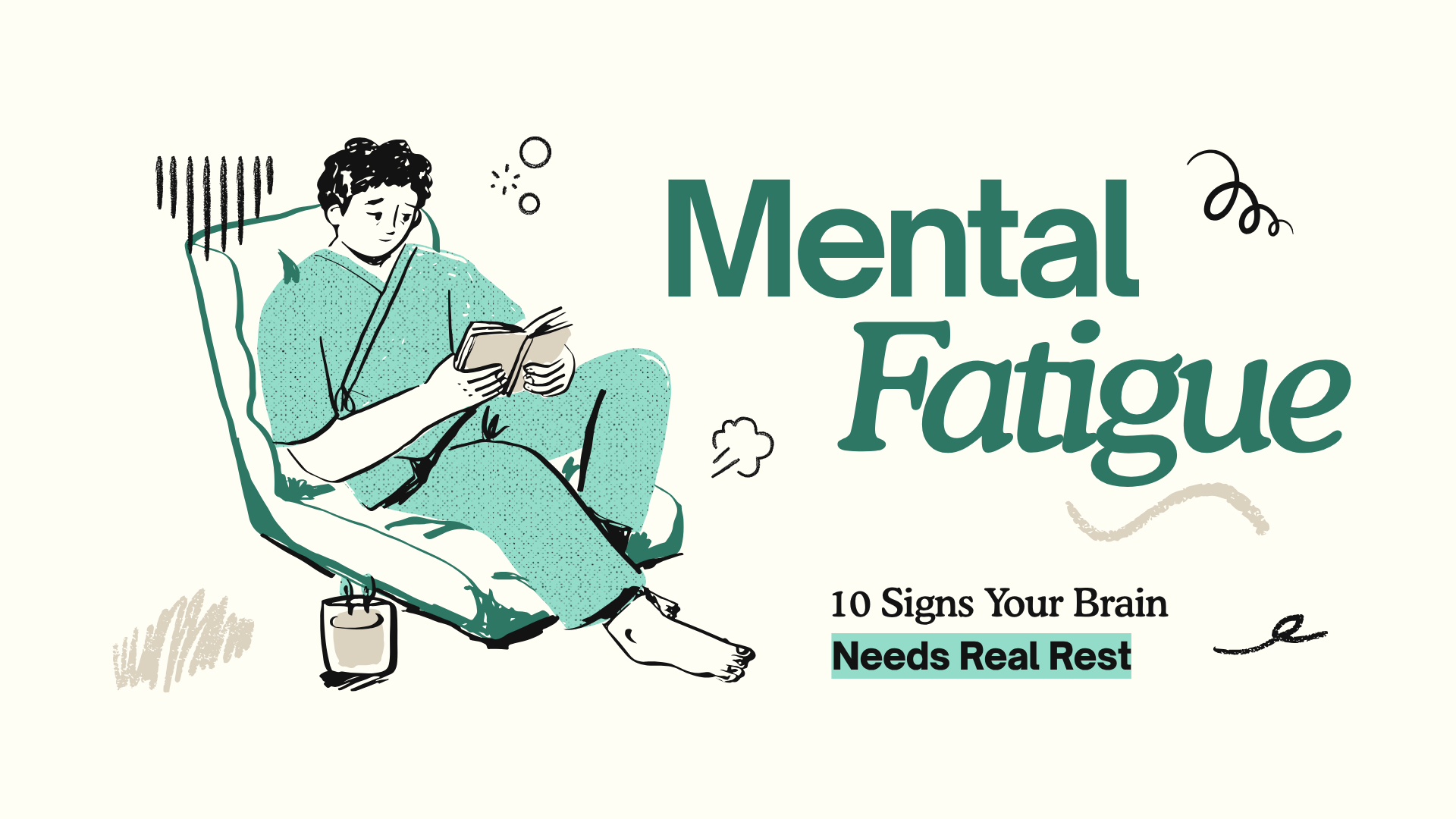
This pattern strongly connects with mental cloudiness explained, where clarity and energy drop without an obvious external cause.
What Most People Get Wrong About Low Energy
A common assumption is that low energy means you need more motivation, better discipline, or maybe even more caffeine. But that approach only addresses the surface. The real issue often lies in how your mental energy is being used and, more importantly, how it’s not being properly restored. When recovery is incomplete, your baseline energy slowly decreases, even if your daily routine doesn’t change much.
This is why people often experience what feels like brain fog causes without a clear trigger. It’s not always about doing too much—it’s about never fully switching off. Your mind stays in a responsive mode, constantly reacting to inputs, which gradually drains your ability to focus, think clearly, and feel energized. Over time, this becomes your “normal,” and you stop noticing how much sharper and lighter you used to feel.
Why Your Brain Feels Tired Faster Than Before
If you’ve noticed that tasks now feel more exhausting than they used to, there’s a reason for that. When your mental energy is already partially depleted, even simple activities start to require more effort. It’s not that the tasks have become harder—it’s that your available energy has decreased. This is one of the most overlooked aspects of why I feel tired all the time, because it creates the illusion that something external has changed, when in reality, it’s your internal capacity that has shifted.
This is also why you might start something with good intention but quickly feel the urge to stop or switch to something easier. Your brain is trying to conserve energy, not because you’re lazy, but because it hasn’t fully recovered from previous mental load. When this happens repeatedly, it creates a cycle where productivity drops, frustration increases, and energy continues to decline.
The Environment Factor You’re Probably Ignoring
Another major factor behind low energy that often goes unnoticed is your environment. The space around you constantly influences your attention, even when you’re not consciously aware of it. Background noise, visual clutter, screen exposure, and even subtle distractions can keep your brain slightly engaged at all times. This continuous low-level processing contributes to mental fatigue symptoms and makes it harder for your mind to settle.
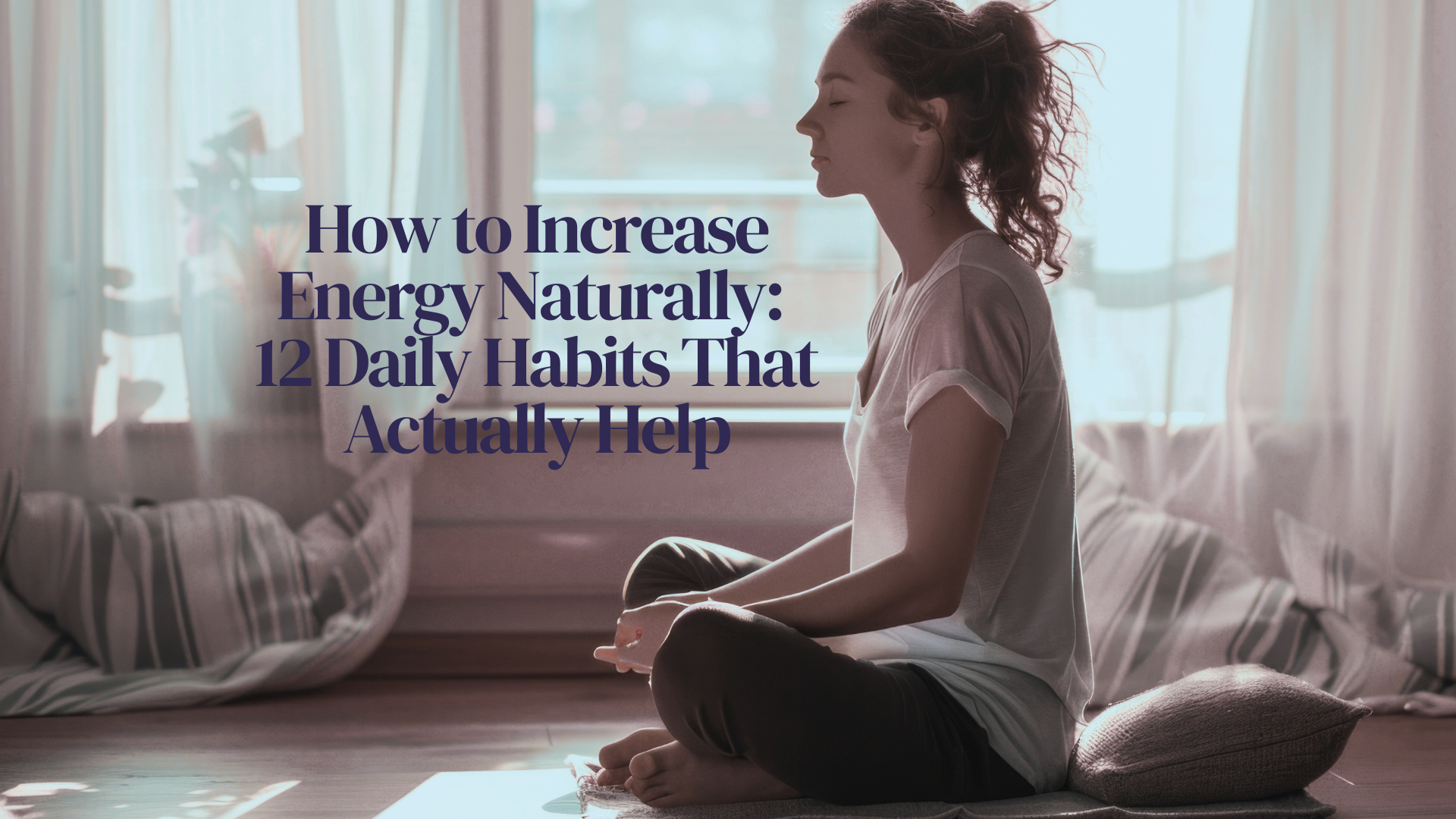
This directly links to natural ways to boost daily energy, where environment plays a crucial role in restoring mental clarity and focus.
Why “Taking a Break” Isn’t Fixing the Problem
You’ve probably taken breaks hoping to feel better, only to return to work and notice that the tiredness comes back almost immediately. That’s because most breaks don’t actually reduce mental load—they just change its form. Instead of working, you’re consuming. Instead of focusing deeply, you’re switching rapidly. The result is that your brain never fully exits its active state.
Real recovery requires a drop in stimulation, not just a change in activity. Without that, your system doesn’t reset—it simply pauses before continuing from the same point. This is why people often feel stuck in a loop of low energy, constantly searching for how to increase energy naturally but not seeing lasting results.
The Pattern That Keeps You Feeling Tired All the Time
If you look closely, there’s a repeating cycle behind this experience:
You start your day with limited energy → you use it while constantly switching attention → you attempt to rest without reducing stimulation → your brain doesn’t fully recover → you begin the next phase with even less energy.
Over time, this cycle becomes self-reinforcing. Each day starts slightly lower than the previous one, and because the change is gradual, it’s easy to overlook. Eventually, you reach a point where feeling tired becomes your default state, and you begin to wonder if something is fundamentally wrong.
What Actually Helps You Regain Energy Naturally
Breaking this cycle doesn’t require extreme changes, but it does require a shift in how you approach rest and recovery. Instead of focusing only on stopping work, the focus needs to move toward reducing input and stabilizing attention. This means creating moments where your mind is not constantly reacting, processing, or switching.
Even short periods of true mental stillness can begin to restore energy more effectively than longer periods of distracted rest. When your brain experiences less input, it naturally starts to settle, and that’s when real recovery begins. Over time, this improves focus, reduces brain fog causes, and helps you feel more consistently energized throughout the day.
The Shift That Changes How You Experience Energy
The most important realization is this: feeling tired all the time isn’t always about doing too much—it’s often about not recovering properly. Once you start paying attention to how your mind behaves during rest, everything begins to make more sense. You notice the difference between distraction and recovery, between being inactive and being truly at ease.
And when that shift happens, you stop chasing quick fixes and start building habits that actually support your energy in a sustainable way.
Leave a Reply