

How to Reduce Stress Naturally at Home (Simple Daily Methods That Truly Work)
Stress is no longer an occasional experience — for many people, it has become constant background noise.
Work pressure. Notifications. Financial responsibilities. Family expectations. Endless information.
Your nervous system rarely gets a break.
While short bursts of stress can sharpen focus, long-term stress slowly drains your energy, weakens immunity, and disrupts sleep.
The solution isn’t to eliminate stress completely. That’s unrealistic.
The real goal is to train your body and mind to recover quickly.
Let’s explore natural, practical ways to reduce stress at home — no medication required.
Why Chronic Stress Is Dangerous
When you feel overwhelmed, your brain activates a survival response.
Your body releases:
- Cortisol
- Adrenaline
- Increased heart rate
- Elevated blood pressure
This is helpful in emergencies.
But when this response stays active daily, it can lead to:
- Poor digestion
- Low immunity
- Mental fatigue
- Irritability
- Brain fog
- Sleep disturbance
That’s why managing stress is not optional — it’s foundational to health.
In fact, high stress levels can weaken your immune system. Supporting your body with FOODS THAT NATURALLY BOOST IMMUNITY alongside stress reduction creates stronger long-term resilience.
1. Reset Your Breath to Reset Your Mind
Your breathing pattern reflects your mental state.
Shallow breathing signals danger to the brain. Slow breathing signals safety.
Try this simple reset:
- Inhale slowly through your nose for 4 seconds
- Pause for 2 seconds
- Exhale gently for 6 seconds
- Repeat for 3–5 minutes
Within minutes, your heart rate slows and muscle tension reduces.
Breath is the fastest natural stress control tool available to you — and it’s free.
2. Create Predictability in Your Morning
An unstructured morning increases mental chaos.
When your day starts with urgency, your cortisol spikes immediately.
Instead, build a stable beginning.
A structured MORNING ROUTINE FOR ENERGY AND FOCUS helps your nervous system feel in control before external demands begin.
Even 20 intentional minutes can:
- Reduce mental overload
- Improve emotional control
- Increase clarity
- Prevent reactive decision-making
Stress often comes from unpredictability. Routine restores stability.
3. Reduce Mental Clutter Through Journaling
Most stress is amplified by unprocessed thoughts.
When worries stay in your head, they grow.
Writing creates separation between you and your anxiety.
Try:
- Brain dump journaling (write everything without filtering)
- Listing 3 things you can control
- Gratitude reflection
- Writing solutions instead of problems
Clarity reduces stress intensity.
4. Move Your Body Gently Every Day
You don’t need extreme workouts.
Simple movement releases endorphins — chemicals that naturally elevate mood.
Options:
- 15-minute walk
- Light yoga
- Stretching routine
- Mobility exercises
Movement also lowers muscle tension caused by stress.
Even short sessions daily outperform intense exercise once a week.
5. Improve Sleep to Lower Cortisol
Poor sleep increases emotional sensitivity the next day.
Lack of rest makes small problems feel bigger.
To protect your nervous system:
- Maintain a fixed sleep time
- Avoid screens 60 minutes before bed
- Keep your room dark and cool
- Avoid heavy meals late
Sleep is your body’s natural recovery mechanism.
Without it, stress compounds.
6. Control Information Overload
Constant news consumption and social media exposure keep your brain in alert mode.
Your nervous system interprets dramatic headlines as immediate threats.
To manage this:
- Limit news intake to specific times
- Disable non-essential notifications
- Avoid scrolling before bed
- Take one tech-free hour daily
Mental quiet is necessary for emotional balance.
7. Adjust Your Diet to Support Calmness
What you eat influences your stress response.
Excess sugar:
- Causes energy crashes
- Increases irritability
Too much caffeine:
- Raises heart rate
- Mimics anxiety symptoms
Instead, focus on:
- Whole foods
- Protein-rich meals
- Leafy greens
- Healthy fats
Balanced nutrition stabilizes mood and energy.
8. Create a Calming Home Environment
Your surroundings directly influence your nervous system.
Simple adjustments help:
- Declutter visible spaces
- Use warm lighting
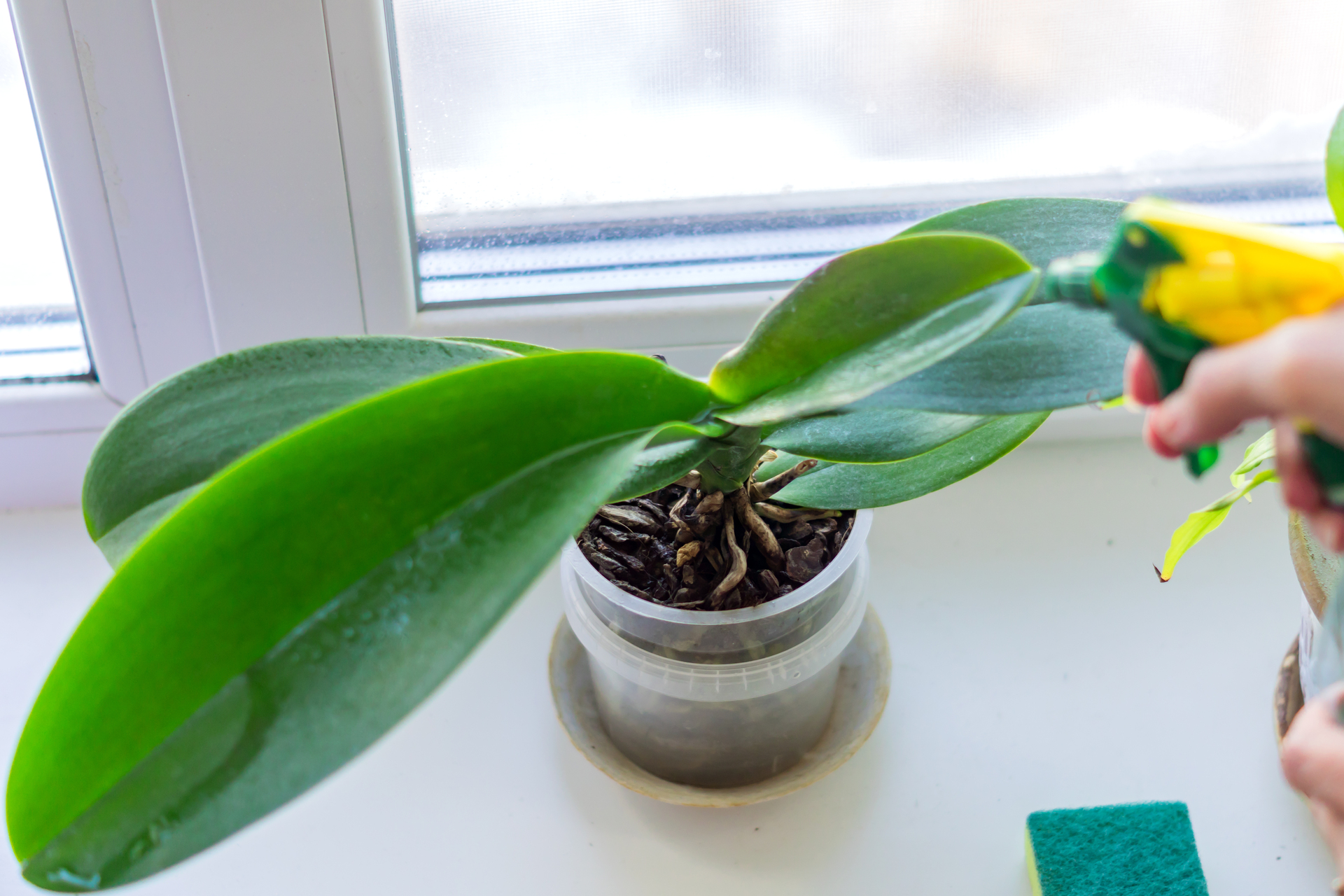
- Add indoor plants
- Play soft background music
- Open windows for fresh air
A chaotic environment keeps the brain alert.
A peaceful space signals safety.
9. Practice Mindful Pauses During the Day
Stress accumulates gradually.
Prevent buildup by inserting short resets:
- 2-minute breathing break
- Stretch between tasks
- Step outside briefly
- Close your eyes and slow your breath
These micro-pauses prevent emotional overload.
10. Accept What You Cannot Control
Much stress comes from resisting reality.
Ask yourself:
- Can I control this right now?
- Is this problem immediate or imagined?
- What is one practical action I can take?
Clarity reduces unnecessary mental struggle.
Acceptance is not weakness. It is emotional intelligence.
How Long Until You Feel Better?
With daily practice:
Week 1: Slight improvement in mood
Week 2–3: Reduced reactivity
Month 1–2: Stronger emotional resilience
Stress management is a skill.
The more consistently you practice, the stronger your nervous system becomes.
Common Hidden Stress Triggers
- Multitasking
- Perfectionism
- Lack of boundaries
- Poor hydration
- Skipping meals
- Negative self-talk
Sometimes stress is lifestyle-driven — not event-driven.
Identify patterns, not just problems.
FAQ – Natural Stress Reduction
Can stress be reduced naturally without therapy?
Yes. Lifestyle adjustments significantly reduce chronic stress for many individuals.
What is the quickest way to calm down?
Controlled breathing and stepping away from stimulation work fastest.
Does diet really affect stress?
Yes. Blood sugar imbalance and caffeine overuse intensify anxiety symptoms.
Is stress completely avoidable?
No. But resilience can be built.
Final Thoughts
Stress is part of life.
But suffering from it daily is not required.
Small daily actions — breathing better, sleeping properly, reducing digital overload, moving gently — rewire your nervous system over time.
Combine stress reduction with proper nutrition and a structured routine.
Consistency builds calm.
Leave a Reply