
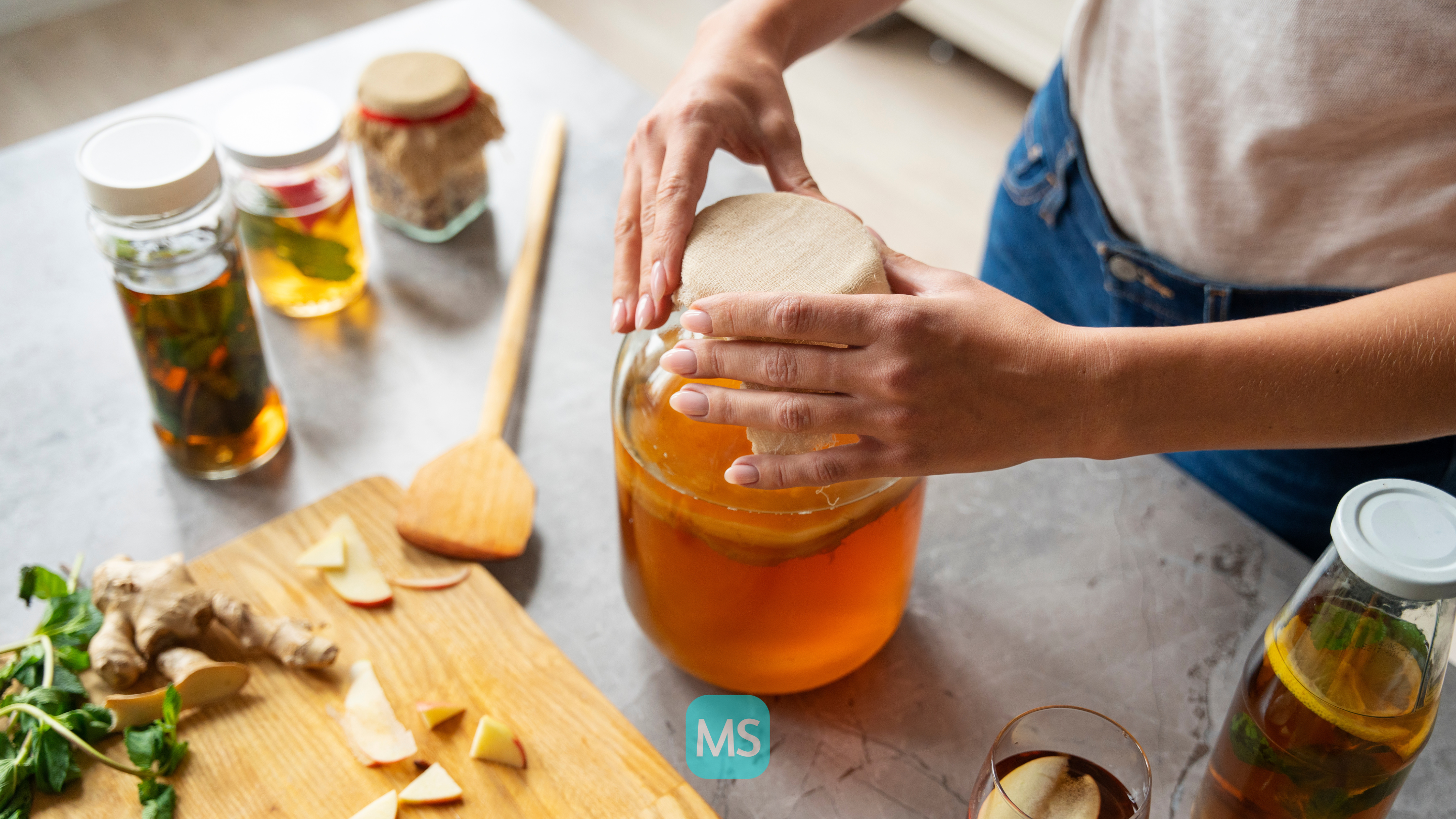
Fermentation is an age-old trick that makes food tasty, healthy, and easier on your stomach. A familiar method in Indian households, it’s central to many dishes. It brings good bacteria and enzymes into the food, which helps in digestion and keeps your stomach happy.
Some of these famous fermented Indian foods are scientifically proven to support gut health. They’re rich in Indian probiotics, easy to make, and full of flavor. Whether it’s the benefits of kanji drink, the cool comfort of curd rice, or the gut-balancing powers of lassi, your next wellness secret might already be in your kitchen.
Why Is Fermentation Good for the Gut?
Fermented foods are full of probiotics. Drinks such as probiotic lassi, kanji, etc, are packed with good bacteria that keep your stomach healthy. They help break down food, reduce gas, and let your body take in more nutrients.
Bacteria like Lactobacillus grow in fermented foods, supporting digestion. It also enhances the nutritional value of food by increasing vitamins like B12 and folate, which are essential for overall vitality.
Fermentation and Indian Culture
Fermentation is deeply tied to Indian cooking. In Indian kitchens, fermentation is a time-tested tradition that goes back centuries. Different parts of India have their own ways of savoring fermented foods:
- South India: Dishes like idli, dosa, and appam are made using soaked and fermented rice and lentils.
- North India: People usually enjoy kanji and tangy pickles like mango achaar along with their meals.
- West India: Dhokla and handvo use fermented flour for soft snacks, which many enjoy.
- East India: Panta Bhaat is a famous meal made by fermenting rice and water.
- North East India: Axone and other curries are made with fermented fish, soybeans, or bamboo shoots.
Famous Fermented Indian Foods and Their Benefits
Here are a few popular Indian dishes made with fermentation and their benefits.
- Curd Rice
From being eaten plain to mixed into recipes, curd holds a constant place in Indian kitchens. Among the many curd benefits, improved digestion and a stronger gut microbiome stand out, especially when you opt for homemade curd.
In South India, Curd Rice, also known as Perugannam or Thayir Sadam, is a classic comfort food and a summer-perfect remedy. Top curd rice benefits include soothing an irritated stomach, preventing acidity and bloating, naturally balancing gut bacteria, and keeping your body cool in hot weather.
To make curd, simply add a spoonful of existing curd to lukewarm milk and let it ferment overnight. Mix cooked rice and salt with it, and finish with a tempering of mustard seeds, curry leaves, and ginger for curd rice. You can even add pomegranate or cucumber if you’re feeling fancy.
- Kanji
This fermented drink made with carrots and beets offers a tangy kick, spicy notes, and a refreshingly bold flavor. Some powerful benefits of kanji drink are improved digestion and better gut health, natural detoxification, antioxidant support for immunity, and relief from bloating and gas.
To make kanji, start by placing thinly sliced carrots and beets in a glass jar, then add spices like mustard powder, black salt, chili, and water to begin the fermentation process. Leave it for 3–5 days in a sunny spot, stir daily, and enjoy chilled.
- Dhokla
Dhokla is made by fermenting besan and yogurt, which makes it easy to digest and probiotic-rich. It is a good source of protein, encourages healthy gut bacteria, and is low in oil and high in flavor.
To make, let the batter rest for 6–8 hours, add spices and baking soda, and steam. Fry mustard seeds, curry leaves, green chilies, and a small amount of sugar in oil for the tadka, then pour over the dish.
- Fermented Rice (Panta Bhaat)
Known in different regions as Pakhala, Pazhankanji, or Neeragaram, this fermented dish is made by soaking leftover rice in water overnight. If you want to cut down on the carbs, you can just drink the water by itself.
Fermented rice water benefits range from rehydration and rebuilding gut bacteria to cooling your body and boosting energy naturally.
Add a bit of curd, buttermilk, or salt before consuming it. You can even add raw onions, green chilies, and aloo bharta on the side.
- Idli & Dosa Batter
Letting it sit overnight, the batter ferments into a light and body-friendly mix for idlis and dosas. It contains natural probiotics, enhances the absorption of minerals, is easy on the stomach, and is a great gluten-free and vegan-friendly option.
Give the rice and urad dal a good soak, 8 to 10 hours or overnight works best. Once done, grind thoroughly to a fine batter and allow it to ferment naturally at room temperature until light and airy.
Cook into fluffy idlis or crispy dosas the next morning.
Complete the meal with coconut chutney, sambar, and some fiery podi (gunpowder) on the side.
- Achar
Homemade pickles made through fermentation in the sun (not vinegar soaking) are an excellent way to add probiotics to your plate. Achar stimulates appetite and provides gut-friendly bacteria to support digestion.
Popular versions include mango, carrot, lemon, and mixed vegetables. Combine it with mustard oil, salt, and spices, and allow it to ferment over a few days for a rich flavor.
- Probiotic Lassi
More than just a cool and creamy drink, probiotic lassi is a delicious way to enjoy Indian probiotics in the traditional way. It keeps your stomach calm, reduces acidity after meals, and aids in nutrient absorption.
To make probiotic lassi, blend curd with water and spices like cumin or mint. You can even make it sweet by adding sugar or fruit to it. It’s all good for the gut.
Simple Tips for Better Fermentation
- Keep It Warm: The Best temperature is between 25°C and 30°C. Use your oven with just the light on or a warm corner in your kitchen to ferment your food.
- Stay Clean: Always clean jars and tools well. Dirty things can spoil the food.
- Cool Storage: Once the fermentation process is done, keep the food in the fridge so it doesn’t over-ferment.
Final Words
Fermenting food is one of the easiest and most natural ways to boost the health value of your everyday Indian meals. It’s not only good for your body, especially your stomach and digestion, but it can also be a really enjoyable process once you get into it.
If you’re just getting started, go with beginner-friendly options like probiotic lassi, fluffy idlis, or a light steamed snack like dhokla.
With just a little care and time, you can turn your normal food into a wholesome powerhouse that makes your body happy and your taste buds sing.



Leave a Reply