


10 Powerful Daily Habits That Naturally Reduce Stress and Improve Mental Health
Modern life moves fast — faster than our minds were ever designed to handle. Notifications, deadlines, financial responsibilities, and constant digital exposure quietly build pressure throughout the day. Over time, this pressure becomes stress, and unmanaged stress slowly affects sleep, focus, physical health, and emotional balance.
The good news? You don’t need expensive therapy sessions or complicated routines to start feeling better.
Small daily habits — when practiced consistently — can reset your nervous system and dramatically improve mental clarity and emotional resilience.
Here are 10 powerful habits you can start today to naturally reduce stress and create long-term mental wellness.
1. Start Your Morning Without Your Phone
One of the biggest hidden stress triggers today is immediate digital overload.
Many people begin their day checking emails, social media, or news alerts. Within minutes, the brain shifts into reaction mode instead of calm awareness.
Instead:
- Avoid screens for the first 30 minutes after waking.
- Drink water.
- Stretch gently.
- Sit quietly or step near natural light.
This allows your cortisol levels to rise naturally instead of being artificially spiked by anxiety-triggering information.
Morning habits strongly influence mood stability throughout the entire day.
2. Practice Deep Breathing for 5 Minutes
Stress activates the fight-or-flight response.
Deep breathing activates the opposite system — the parasympathetic nervous system — which signals safety to the brain.
Try this simple method:
- Inhale slowly for 4 seconds.
- Hold for 4 seconds.
- Exhale slowly for 6 seconds.
Repeat for five minutes.
People often underestimate breathing exercises because they seem simple, but consistency transforms how your brain reacts to pressure.
Benefits include:
- Lower heart rate
- Reduced anxiety
- Better emotional control
You can do this during work breaks or before sleep.
3. Move Your Body Daily — Even Light Movement Works
Exercise doesn’t mean intense workouts or gym memberships.
Even 20 minutes of movement improves mental health significantly.
Options include:
- Walking outdoors
- Yoga stretches
- Light home workouts
- Dancing to music
Movement releases endorphins — natural mood stabilizers.
Sunlight exposure during walks also improves vitamin D levels, which directly supports mood regulation.
4. Eat Foods That Calm Your Nervous System
Food directly affects stress hormones.
Highly processed foods and excess sugar can cause energy crashes and irritability.
Instead, include:
- Nuts
- Fruits
- Whole grains
- Green vegetables
- Yogurt or fermented foods
Magnesium-rich foods especially help muscle relaxation and calmness.
Simple swaps matter:
- Replace sugary snacks with fruit.
- Drink water instead of multiple caffeinated drinks.
5. Create Small Moments of Silence
Modern environments are noisy — physically and mentally.
Constant stimulation prevents the brain from resetting.
Try intentional silence daily:
- Sit quietly without music.
- Avoid podcasts during one walk.
- Spend five minutes observing surroundings.
Silence helps process emotions subconsciously.
Many people notice improved creativity and emotional stability within weeks.
6. Write Down Your Thoughts
Journaling is one of the most underrated stress relief techniques.
You don’t need perfect writing.
Simply write:
- What worried you today.
- What went well.
- What you are grateful for.
This clears mental clutter.
Studies show expressive writing reduces anxiety because thoughts move from emotional brain centers into logical processing areas.
If journaling feels difficult:
Start with just three sentences daily.
Consistency matters more than length.
7. Improve Sleep Hygiene (Your Biggest Stress Weapon)
Poor sleep increases cortisol levels dramatically.
Signs your sleep routine needs improvement:
- Difficulty falling asleep.
- Waking tired.
- Late night scrolling habits.
Try these changes:
- Avoid screens 60 minutes before sleep.
- Keep room cool and dark.
- Maintain consistent sleep time.
Good sleep strengthens emotional regulation.
Sleep improvements alone can transform anxiety levels.
8. Spend Time With Nature
Nature exposure resets the brain.
Even small experiences help:
- Sitting near plants.
- Walking in parks.
- Gardening.
- Balcony sunlight breaks.
Natural environments reduce overstimulation caused by urban surroundings.
Research suggests even 15 minutes outdoors reduces mental fatigue.
If outdoor access is limited:
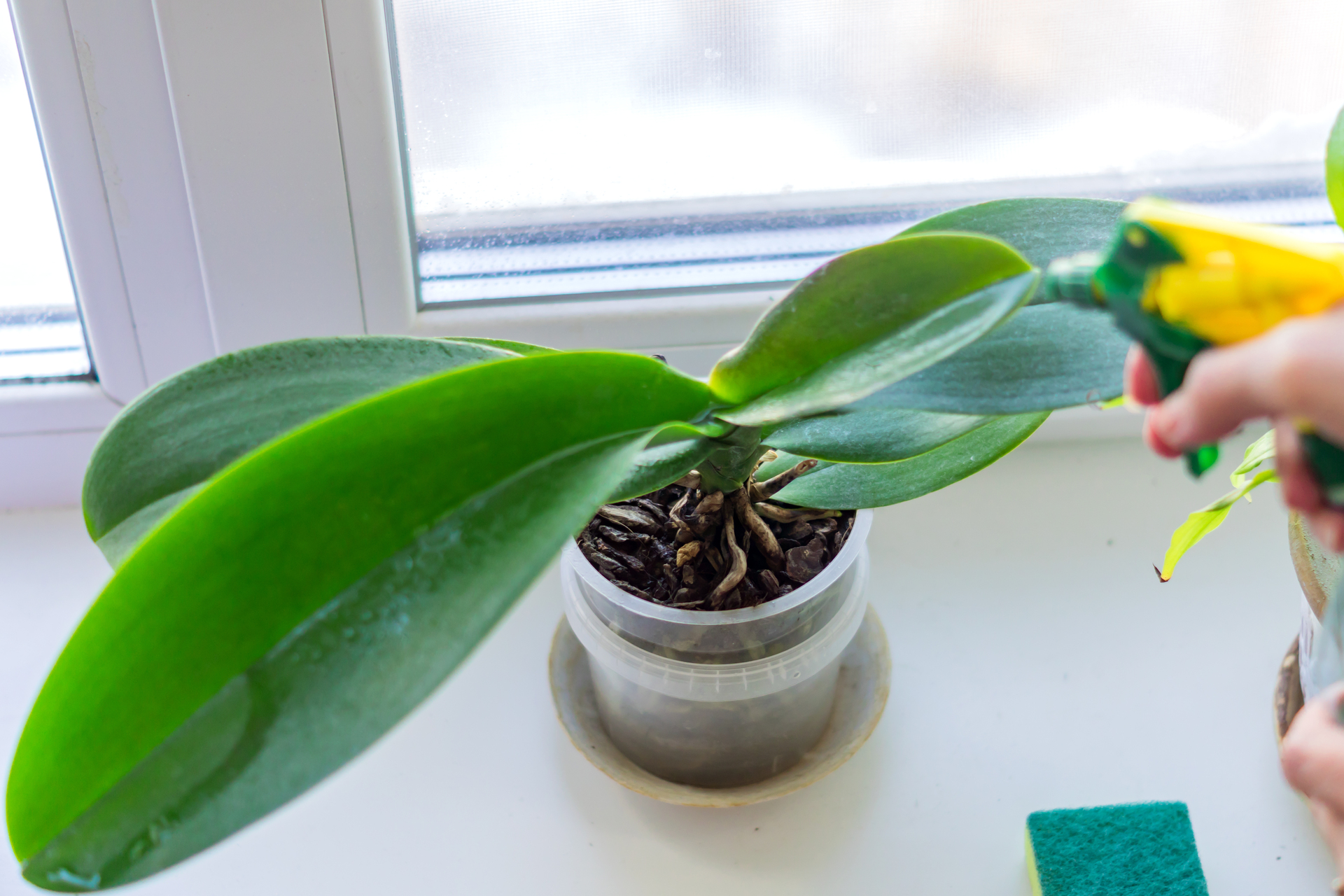
Bring plants indoors.
Green environments subconsciously signal safety to the brain.
9. Reduce Information Overload
Too much information equals mental exhaustion.
News cycles, reels, endless scrolling — all compete for attention.
Try these boundaries:
- Limit social media to fixed time blocks.
- Turn off non-essential notifications.
- Avoid negative news before sleep.
You don’t need to know everything immediately.
Mental peace improves when your attention becomes intentional rather than reactive.
“Digital Detox Strategies for Better Mental Health.” Upcoming
10. Practice Daily Gratitude
Gratitude shifts attention from problems to stability.
Stress thrives when the brain constantly scans for danger.
Gratitude teaches the brain to notice safety and progress instead.
Simple ideas:
- Write three good things daily.
- Thank someone genuinely.
- Reflect on small wins.
Over time, gratitude rewires thinking patterns.
People practicing gratitude consistently report:
- Better sleep
- Improved relationships
- Reduced anxiety
Small emotional habits create large psychological resilience.
Why Small Habits Work Better Than Big Changes
Many people fail stress management because they attempt dramatic lifestyle overhauls.
Big changes feel exciting initially but become overwhelming.
Small habits succeed because:
- They require less motivation.
- They fit naturally into existing routines.
- Progress becomes sustainable.
Think of mental wellness like compound interest.
Tiny actions repeated daily build powerful emotional stability over months.
Common Mistakes People Make While Managing Stress
Avoid these traps:
Trying Everything at Once
Choose 2–3 habits first.
Expecting Instant Results
Mental wellness improves gradually.
Ignoring Physical Health
Sleep, nutrition, and movement strongly affect mood.
Comparing Progress
Everyone’s stress tolerance differs.
Consistency matters more than perfection.
How Long Before You Notice Results?
Many people feel improvements within:
- 1 week → Better sleep awareness.
- 2 weeks → Reduced irritability.
- 1 month → Improved focus and emotional calm.
Habits reshape brain responses slowly but reliably.
The goal isn’t removing stress entirely.
The goal is building resilience.
Frequently Asked Questions (FAQ)
What is the fastest natural way to reduce stress?
Deep breathing combined with short walks outdoors often produces immediate calming effects because both regulate nervous system activity.
How many habits should I start at once?
Start with two habits only. Once they become automatic, introduce additional routines gradually.
Can diet really affect stress levels?
Yes. Nutrient deficiencies, dehydration, and excess sugar significantly influence mood swings and fatigue.
Is journaling scientifically proven to help stress?
Expressive writing helps emotional processing and has been linked with reduced anxiety and improved clarity.
Do morning routines really matter?
Morning routines influence cortisol rhythms and emotional tone throughout the day.
“Healthy Morning Routine Habits That Boost Energy Naturally.”
Final Thoughts
Stress may feel unavoidable in modern life, but suffering from it constantly isn’t inevitable.
Small intentional choices — better sleep, mindful breathing, balanced nutrition, movement, and emotional reflection — quietly reshape how your brain experiences daily challenges.
The strongest mental health transformations don’t come from dramatic changes.
They come from daily consistency.
Start small.
Stay patient.
Your future self will thank you.
Leave a Reply