
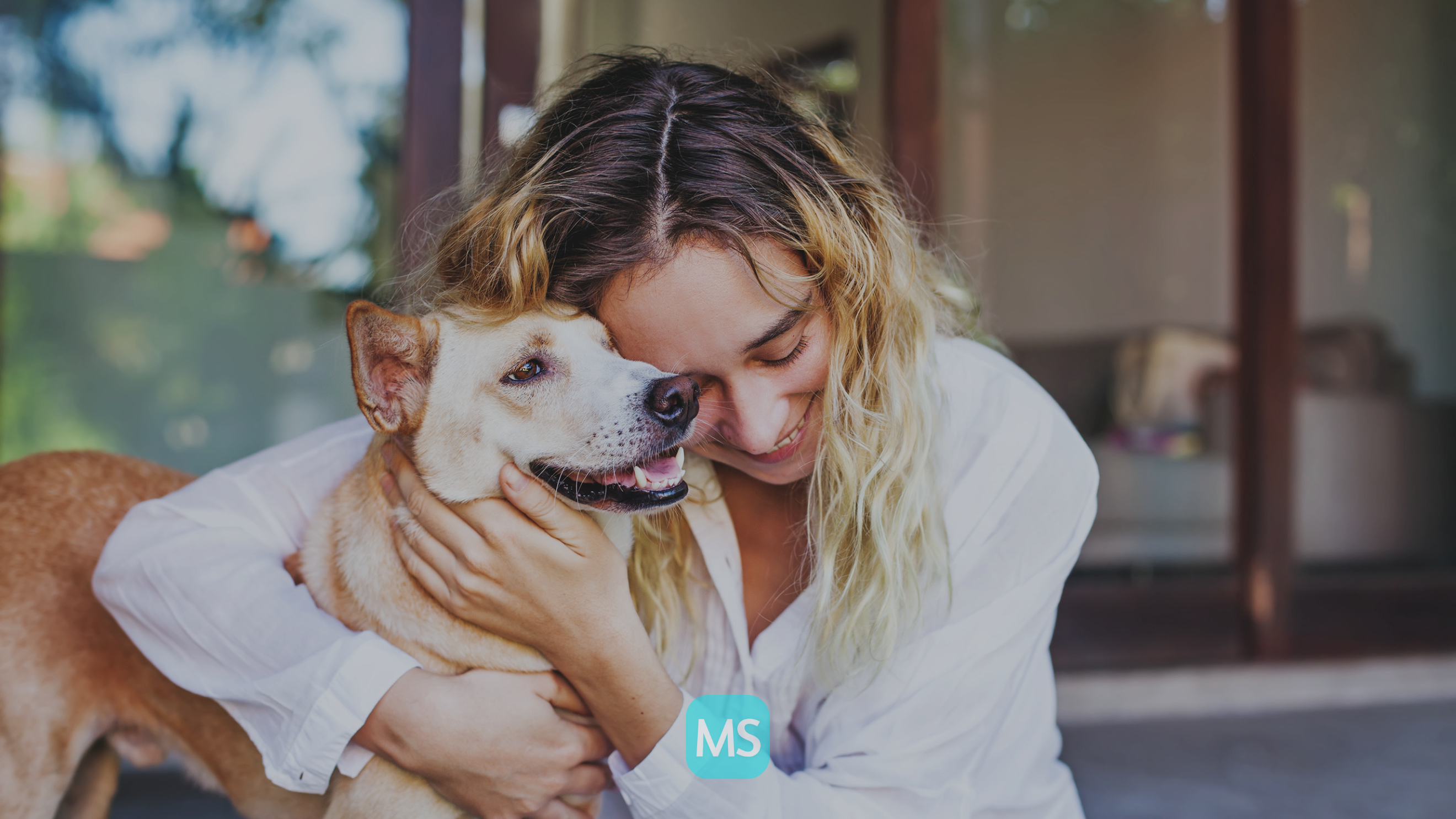
Pets are special. They instantly know when you need extra snuggles or how to cheer you by pinballing towards you with a wagging tail the moment you return home. Just like your furry friend recognizes your rough days, pet owners can also protect them by learning about breed-specific health risks.
Similar to humans, pets are also not spared from hereditary traits and conditions. Understanding risks like problems with Labrador joints or Pug eye issues helps you become an informed and prepared pet parent who can spot early signs of discomfort and take proactive steps to care for your furry friend.
In this article, we’ll explore health concerns linked to popular breeds to keep you ahead and not scrambling for answers when symptoms appear. Additionally, we’ll also help you with what you can do to keep your pet happy, healthy, and thriving.
The Trouble with Long Backs: Dachshund Back Problems

While Dachshunds have comically long backs, which makes them look really cute, it also makes them prone to serious spinal issues. Dachshunds’ back problems include intervertebral disc disease (IVDD), which occurs when the cushion-like intervertebral discs bulge or rupture to a point that they compress the spinal cord.
- Common triggers: Wear and tear, or sudden actions, like jumping off beds or landing awkwardly, can strain their spine.
- Signs to watch for: Difficulty in walking, whimpering when touched, or an arched back.
How to Help
- Use ramps instead of stairs around furniture.
- Maintain a healthy weight to reduce the risk of your Dachshund’s back problems.
- Consider regular veterinary checkups and supplements to support their spinal and joint health and protect them from long-term pain.
Wobbly Hips: German Shepherd Hip Dysplasia

Can you imagine the majestic German Shepherds, known for their intelligence and loyalty, are one of the most at-risk breeds for hip issues? German Shepherd hip dysplasia occurs when the hip joint doesn’t develop normally. It is a common condition among German Shepherds that happens because of their rapid growth and heavy bone structure.
- Common triggers: It’s a genetic condition, but accelerated growth, high-impact exercises, and poor nutrition can make it worse.
- Symptoms to watch for: Having trouble standing up, difficulty in moving, and limping or bunny hopping when running.
How to Help:
- Feed your German Shepherd a balanced diet from a young age to support slow and steady growth.
- Indulge them in low-impact exercises like swimming or walking on grass to strengthen their joints.
- Ask your vet about joint supplements and keep monitoring their growth via X-rays to catch on early in case of German Shepherd hip dysplasia.
Energetic but Vulnerable: Labrador Joints

We all know Labradors have boundless energy and a lovable nature. They enjoy constantly running around, playing games, and jumping with joy. But when you add these activities to their genetic makeup, the sum puts their Labrador joints at risk. It can occur at any time, whether early or later in life.
- Common triggers: While the main reason is genetics, obesity can strain their joints further.
- Symptoms to watch for: Slowing down, feeling stiff in the morning, or avoiding stairs.
How to Help:
- Keep playtime active, but avoid overexertion on hard surfaces; instead, add low-impact exercises such as swimming or controlled walking to their routine.
- To avoid extra pressure on the Labrador’s joints, keep your pup in shape.
- Add supplements such as glucosamine and omega-3s to their diet to support mobility after clearing it with the vet.
- Book them for regular screening to catch any mobility issues early.
Understanding Pug Problems: Eye Issues and More
Pug Eye Issues

A major charm of a pug’s facial features is their signature bulging eyes. What if we told you this charming facial feature makes pug eye issues alarmingly common? From dryness, infection, and ulcers to corneal rupture and proptosis.
- Common triggers: Their shallow eye sockets, flat faces, and skin folds, combined with brachycephalic airway syndrome, make them vulnerable to severe pug problems.
- Symptoms to watch for: Redness, squinting, frequent blinking, excessive tear staining, or pawing at the face.
How to Help:
- Regularly clean their faces and the area around their eyes gently with a damp cloth.
- Avoid involving them in any activities that can cause facial trauma, such as rough play with bigger dogs.
- Swelling or discharge are signs to go see the doctor immediately.
Understanding Pug Respiratory Health
As we read above, pugs are brachycephalic, meaning they’ve got flat faces and short snouts. Their cute-looking facial features lead to pug problems, such as respiratory issues during hot and humid weather. The breathing problems further lead to exercise intolerance and sleep apnea.
- Symptoms to watch for: Struggle in breathing, snoring, or overheating.
How to Help:
- Take your pug on a walk during cooler parts of the day, such as early morning, evening, or even at night.
- Keep them indoors during hot weather and always have water within reach.
- Since, in this condition, they suffer from their airways, it’s safe to use a harness over a collar to avoid any kind of pressure on the throat.
Behind the Gaze: Bengal Eyes and Progressive Retinal Atrophy

While Bengal cats are famous for their exotic and mesmerizing gaze, the Bengal eyes are prone to several conditions, especially progressive retinal atrophy (PRA). PRA starts as early as 7 weeks and causes gradual blindness by 2-5 years.
- Causes: Genetic degeneration; therefore, they should be tested early for hereditary conditions.
- Symptoms to watch for: Clumsiness in low light, dilated pupils, or simply bumping into objects.
How to Help:
- During their first few years, schedule regular veterinary eye exams.
- If their vision begins to weaken or decline, provide a secure indoor living space by maintaining recognizable patterns and adding auditory toys.
- If you take part in early care, Bengal eye issues can be easily managed.
Pet Love Starts with Knowledge
Your pet is your baby. Therefore, learning about breed-specific health risks and scheduling regular checkups is key for your furry friend’s comfortable life. Staying on top of this information is a superpower that not only gives your pet safety but also showcases your love and care for them.
So, go ahead, give joint-support treats for your German Shepherd’s hip dysplasia, or build a spine-friendly ramp to ease your dachshund’s back problems. We’re sure you’ll be rewarded with thank-yous in the form of wagging tails, happy purrs, and extra cuddles!



Leave a Reply