

Why Am I Always Tired? 11 Real Reasons You Feel Drained Every Day
There’s a kind of tiredness that makes sense. You sleep late, work too much, skip meals, or spend the whole day rushing from one thing to the next, and by evening your body lets you know exactly how it feels. That kind of fatigue is frustrating, but at least it has a clear explanation.
Then there’s the other kind.
The kind that follows you around quietly. You wake up with it. You carry it into the afternoon. It sits in the background even on days that are not especially demanding. You are still doing what needs to be done, still replying, still working, still showing up, but everything feels like it requires just a little more effort than it should. That is the moment many people end up typing the same question into Google: why am I always tired?
The reason this question gets searched so often is simple. Constant fatigue rarely comes from one dramatic cause. More often, it builds from a mix of small patterns that seem harmless when looked at separately. A restless night here. Too much mental stimulation there. Slight dehydration. Inconsistent meals. Low daylight. Too much sitting. A brain that never really gets quiet. None of these things look huge on their own. Put them together, though, and your baseline energy can start slipping before you even notice it.
The good news is that tiredness like this often has a pattern. Once you can see the pattern, you can start changing it.
1. You are sleeping enough hours, but not getting real recovery
This is one of the biggest misunderstandings around low energy. People often count sleep in hours and stop there. If they slept seven or eight hours, they assume recovery should have happened automatically. But your body does not measure rest the way a clock does. Time in bed is one thing. Restorative sleep is something else entirely.
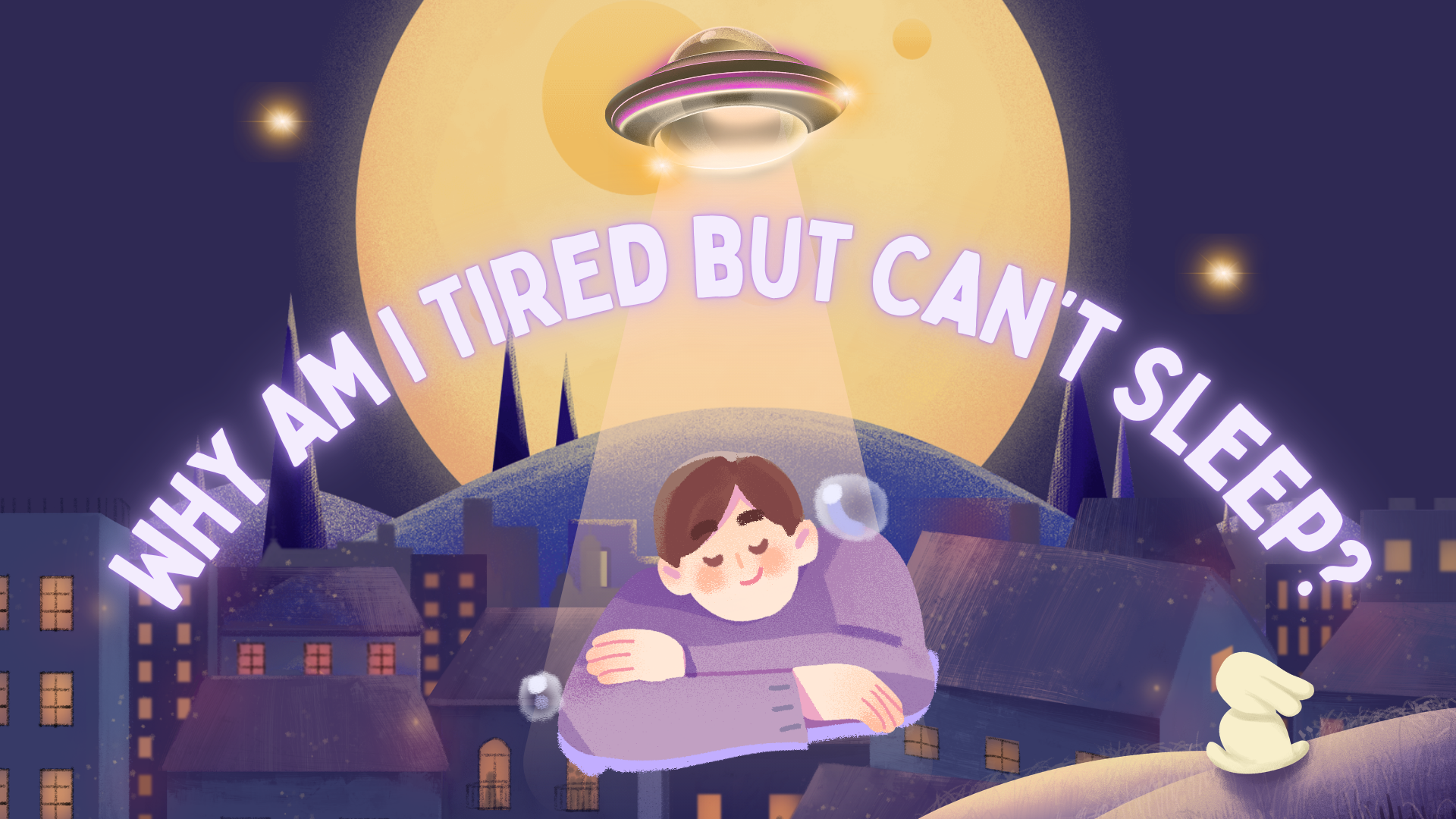
A person can stay in bed for a full night and still wake up drained because the brain never settled into the kind of deeper sleep that truly restores mental and physical energy. This happens when sleep is light, broken, delayed, or filled with background stimulation from stress, screens, noise, or inconsistent routines. It also explains why so many people feel confused when they wake up tired after what looked like a “good” night. If this sounds familiar, it connects closely with why do I feel tired even after sleeping 8 hours, because sleep length and sleep quality are not the same thing.
The body can only rebuild energy properly when it gets uninterrupted, deeper recovery. If that part is missing, you may technically sleep, but you do not wake up renewed.
2. Your brain is carrying more than your body is
Some fatigue is physical. A lot of it is mental.
You can spend a mostly sedentary day and still feel deeply worn out by evening because your brain has been processing nonstop. Messages, tabs, thoughts, unfinished tasks, conversations you keep replaying, decisions you keep postponing, background stress you barely notice anymore—this all adds up. The mind does not need a dramatic crisis to become tired. Constant low-level load is enough.
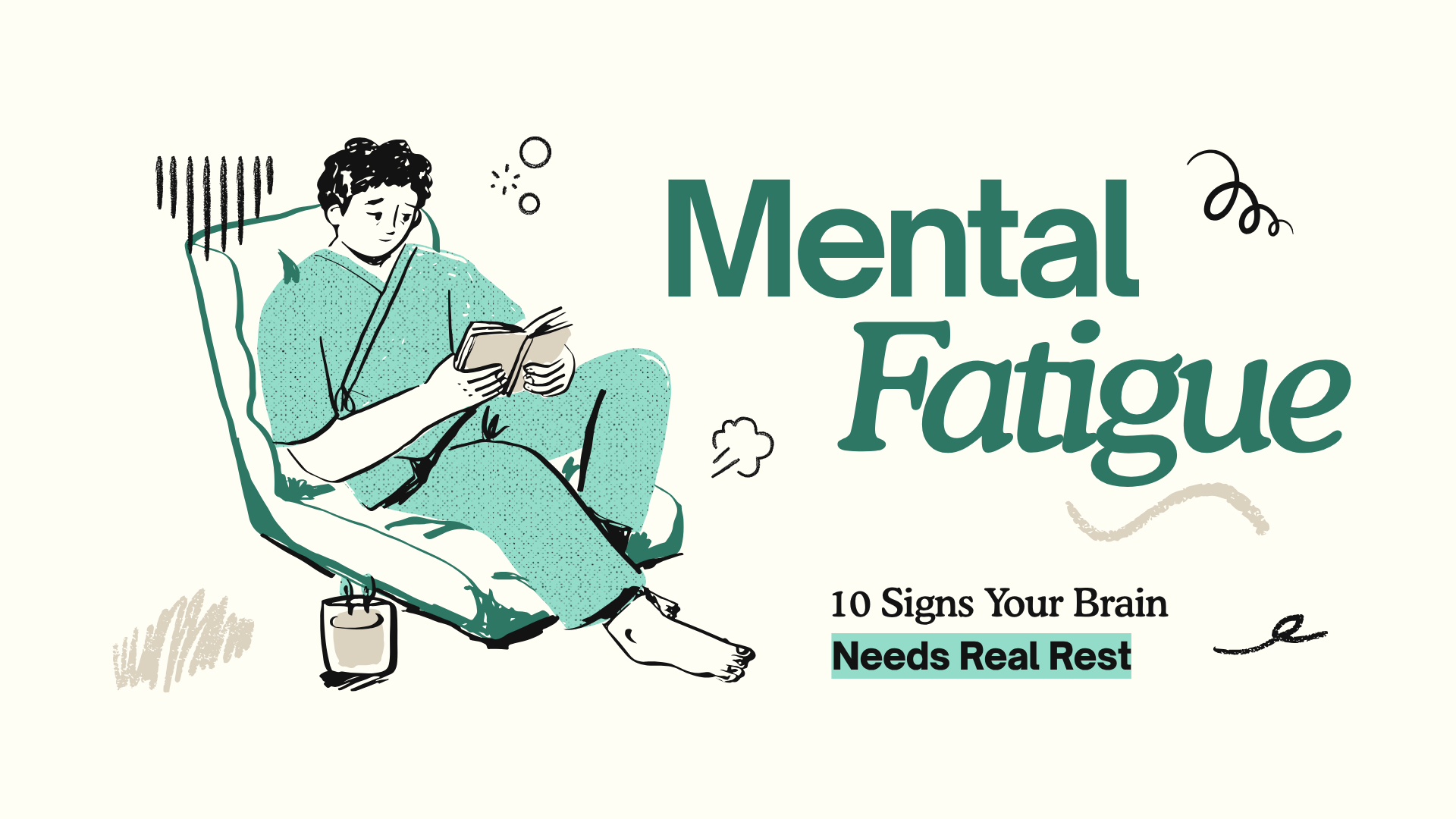
This kind of fatigue often feels strange because it does not always show up as obvious stress. Instead, it appears as slower thinking, lower patience, reduced motivation, and that dull sense that your mind is never fully clear. It is part of the reason fatigue and fogginess often show up together. That overlap is explored further in mental cloudiness explained, where mental load gradually weakens clarity without a single obvious cause.
If your brain never really gets a pause, your body may end up feeling tired even when you were not physically pushed very hard.
3. Your mornings are extending your tiredness instead of breaking it
The way your day begins matters more than most people realize. A sluggish morning does not always start in the morning, but what you do after waking can either help your energy rise—or keep you stuck in that half-awake state much longer.
Many people wake up, stay in bed while scrolling, delay movement, avoid natural light, and drift into the day passively. It feels harmless, sometimes even comforting, but it often extends low-energy signals instead of helping the body become alert. Your system needs cues that the day has started. Without those cues, fatigue lingers.
That is one reason why people who wake up tired often continue feeling tired well into the day. If you notice this pattern regularly, it links naturally with why do I wake up tired every morning and also with the habits discussed in Morning Mistakes Most People Make. Morning energy is not just about sleep. It is also about how effectively your body transitions out of it.
4. You are slightly dehydrated and under-fueled more often than you think
Fatigue does not always come from something dramatic. Sometimes it starts with something as ordinary as not drinking enough water or going too long without proper food. The problem is that these patterns feel normal because so many people live that way every day.
When you wake up, your body is already a little low on fluid. If the morning passes with coffee, little water, and a rushed start, tiredness can build quickly. Add an unbalanced breakfast—or no breakfast at all—and your energy becomes even less stable. The brain needs a steady supply of fuel and hydration to think clearly. When that is missing, people often report feeling tired, foggy, irritable, or strangely unmotivated.
This kind of daily energy instability can also feed into brain fog in the morning, especially when hydration, blood sugar, and sleep quality all start the day off poorly. The body is remarkably adaptable, which is why you may still function—but not feel good.
5. You are indoors too much and moving too little
One of the quietest causes of low energy is also one of the most modern: too much indoor time, too much sitting, and not enough daylight exposure. When this becomes routine, energy often starts feeling flat in a way that is hard to describe. Not terrible. Just consistently lower than it should be.
Natural light helps anchor your body clock. Movement helps circulation, oxygen delivery, and alertness. When both are missing, the body can start feeling dull and the mind can feel slower to engage. It is easy to underestimate this because no single hour of sitting feels catastrophic. But over days and weeks, the effect becomes noticeable.
People often go looking for complex explanations when the problem is partly that their body is not getting enough basic signals to feel awake and engaged. This is one reason low energy all the time can feel worse on days spent entirely indoors. The body works best when it experiences rhythm: light, movement, food, effort, rest.
6. Your attention is being broken all day long
Many people believe fatigue comes from working too much. Sometimes it comes from working badly. More specifically, from trying to do everything in a state of constant interruption.
Each time you switch tasks, check a notification, glance at a message, or jump between tabs, your brain has to reorient itself. That reorientation is not free. It uses energy. When it happens repeatedly all day, focus becomes shallower, work feels heavier, and tiredness arrives sooner than expected.
This is especially common in people who say, “I did not even do that much today—why do I feel so tired?” Often, they did not do one difficult thing deeply. They did dozens of little things in fragments. That fragmented attention has a cost, and one of the ways it shows up is through mental fatigue symptoms that feel out of proportion to the day itself.
7. You are relying on quick energy more than steady energy
There is a difference between feeling stimulated and feeling well-rested. A lot of people try to solve low energy with things that create a temporary lift—strong coffee, sugary snacks, constant scrolling, loud content, frequent breaks that are actually just more stimulation. These things can make you feel more alert for a short while, but they do not solve the underlying issue.
In fact, overreliance on quick fixes often makes the cycle worse. Energy rises sharply, then falls. Focus improves for a moment, then gets scattered again. Hunger becomes less predictable. Evenings stay too stimulating. Sleep becomes lighter. The next morning starts lower. Then the same solutions get used again.
This is one reason the question why am I tired all day keeps returning for so many people. The body does not build steady energy from constant peaks and crashes. It builds it from rhythm, recovery, and consistency.
8. Your sleep is being interrupted in ways you do not fully notice
Not every sleep disruption wakes you up enough to remember it. That is part of what makes this so frustrating. You can believe you slept through the night and still wake up feeling off because your sleep depth was interrupted over and over by smaller disturbances.
A room that is too warm. Light leaking in. Noise you did not consciously register. Going to bed mentally “on.” Physical discomfort. Waking briefly and rolling over without remembering. These things do not always create dramatic insomnia. What they do create is broken recovery.
The result is often the same: you wake up, but your energy feels unfinished. You are not exactly exhausted, yet you are not properly restored either. If this pattern is happening frequently, it can become one of the strongest hidden reasons behind persistent morning tiredness.
9. You are under more emotional strain than you admit to yourself
Not all fatigue comes from workload. Some of it comes from emotional weight. This kind of tiredness is easy to miss because it often hides inside daily life. You keep functioning, so you tell yourself you are fine. But under the surface, your mind is carrying more than it lets on.
Ongoing uncertainty, unresolved tension, subtle relationship stress, worry about the future, pressure to stay productive, frustration with your own lack of energy—these things can all drain you without looking dramatic from the outside. Emotional strain tends to stay active in the background, and background strain is tiring.
This also helps explain why tiredness can sometimes feel worse on “easy” days. When the body is less distracted by activity, the underlying weight becomes more noticeable. If your energy drops without a clear external reason, it is worth asking whether your mind has been doing more emotional work than you have allowed yourself to acknowledge.
10. You have normalized feeling off
One of the most important reasons people stay stuck in a fatigue cycle is that they slowly adapt to it. They stop comparing their current energy to how they used to feel. Instead, they begin treating their tiredness as normal. They say things like, “That is just how I am lately,” or “I guess this is adulthood,” or “Everyone is tired.”
There is some truth in that last one. A lot of people are tired. But common does not mean healthy.
When low energy becomes familiar, you stop noticing how much it is affecting your focus, mood, patience, and quality of life. You push through more. You compensate more. You rest in ways that do not help. You search for motivation when the real issue is recovery.
This is why awareness matters so much. Before energy improves, the pattern usually has to become visible.
11. Sometimes your body is asking for a closer look
Most ongoing tiredness is connected to lifestyle patterns, mental load, sleep quality, and daily rhythm. Still, it is important to say this clearly: if fatigue is persistent, worsening, sudden, or paired with other concerning symptoms, it is worth speaking to a qualified healthcare professional. Tiredness can also show up alongside medical issues that need proper evaluation.
That does not mean every tired day is a warning sign. It simply means constant fatigue should not be dismissed automatically forever. If you have already improved sleep, hydration, routine, food, and stress management and you still feel consistently drained, getting checked is sensible, not dramatic.
What usually helps first
The most useful changes are often less glamorous than people hope, but they work because they support the body instead of fighting it. A steadier bedtime. Less stimulation late at night. Water earlier in the day. More natural light in the morning. More movement than yesterday. Fewer interruptions during work. Better breaks. A little less pressure to override what your body is already telling you.
If you are constantly asking, why am I always tired, the answer usually is not one magic fix. It is the accumulation of several quiet patterns—and the solution tends to work the same way. Small corrections, repeated consistently, can change how your days feel.
That does not mean the improvement happens overnight. But it often starts sooner than people expect once the real drains are no longer hidden.
Final thoughts
Always feeling tired can make life feel smaller than it should. It affects how you think, how you work, how patient you are, how much you enjoy simple things, and how much mental space you have left at the end of the day. The exhausting part is not just the fatigue itself. It is the confusion that comes with not understanding why it keeps happening.
But tiredness usually leaves clues.
It shows up in sleep that does not restore. In mornings that start too slowly. In attention that is constantly broken. In days without enough movement or daylight. In brains that stay busy even during “rest.” In routines that look manageable from the outside but quietly drain you from the inside.
When you start seeing these patterns clearly, the question changes. It stops being “why am I always tired?” and becomes “what, exactly, is stealing my energy every day?”
That is a much better question—and a far more useful place to begin.


Leave a Reply